Water and wildlife use the same gap
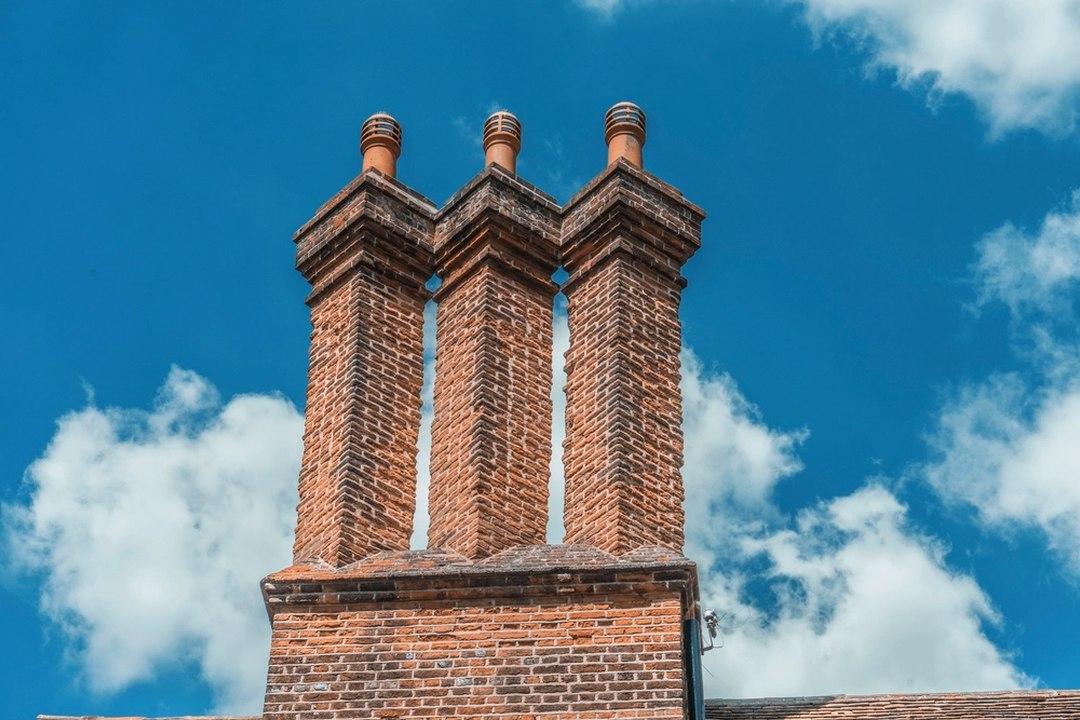
The joint between a chimney and the roof is where two things that move differently meet. Brick barely shifts; a wood roof swells, shrinks and settles over the years. The metal strips that seal that joint, the flashing, take the strain. When they lift at a corner or pull out of the mortar, two kinds of trouble arrive through the same opening. Rain gets in during the winter storms. Rats and squirrels get in the rest of the year, because the gap leads straight to warm, dry attic space beside the chimney.
Owners in Cypress usually notice one before the other. Some find a brown ring on the ceiling next to the fireplace after a wet week in January. Others hear scrabbling in the attic in late summer and find chewed insulation near the chimney when they look. Often it is both, from the same gap.
Flashing work is one of the three services Bigelow Chimney Sweep leads with, next to caps and sweeping, because it closes the last easy way in.
Published prices for leak work
| Job | Price on this site |
|---|---|
| Finding the source of a chimney leak and fixing it | $555 to $3,300 |
| A cricket built on the uphill side of a wide chimney | $445 to $1,000 |
| A cricket with every piece of flashing around the base replaced | $665 to $1,650 |
Flashing work on its own, with no leak traced and no cricket, has no list price here. We see too many different roofs for one figure to mean anything, so we measure it and give you a written number before work starts.
What moves a leak job inside that range
The low end of $555 to $3,300 is a single clear source: one corner of flashing lifted, resealed and fastened back down. The high end is a chimney with several problems at once. Things that push the number up:
- More than one way in. Water may come through the flashing and also down an uncapped flue or through a crack in the crown. Fixing one and leaving the others gets you a smaller stain, not a dry ceiling.
- The roof itself. Concrete and clay tile, common on Cypress and Garden Grove homes, has to be lifted around the chimney and set back without cracking. Composition shingle is quicker.
- Damage behind the leak. Wet decking, rotted framing or insulation soaked and fouled by animals adds to the job. We show you the photos before going further.
- Width of the chimney. A wide stack across a sloped roof dams water and leaves on its uphill side. That is what a cricket is for: a small ridge of roofing behind the chimney that splits the flow so water runs off around both sides.
When a cricket makes sense
Not every chimney needs one. A narrow stack near the top of the roof sheds water fine with good flashing. A wide chimney low on a long slope collects a lot of runoff and leaf litter behind it, and that is where we see repeat leaks and, now and then, a squirrel's stash of acorns and twigs packed against the brick.
On its own, a cricket runs $445 to $1,000. If the flashing around the rest of the chimney is tired too, doing both together runs $665 to $1,650, which saves pulling the roofing up twice.
How animals make a small leak worse
A flashing gap that would only let in a little rain becomes a real problem once something starts using it. Rats widen the opening as they go in and out. Squirrels chew at the edge of the roofing. Nest material and droppings hold water against the wood. By the time water reaches the ceiling, the framing beside the chimney may have been damp for a while.
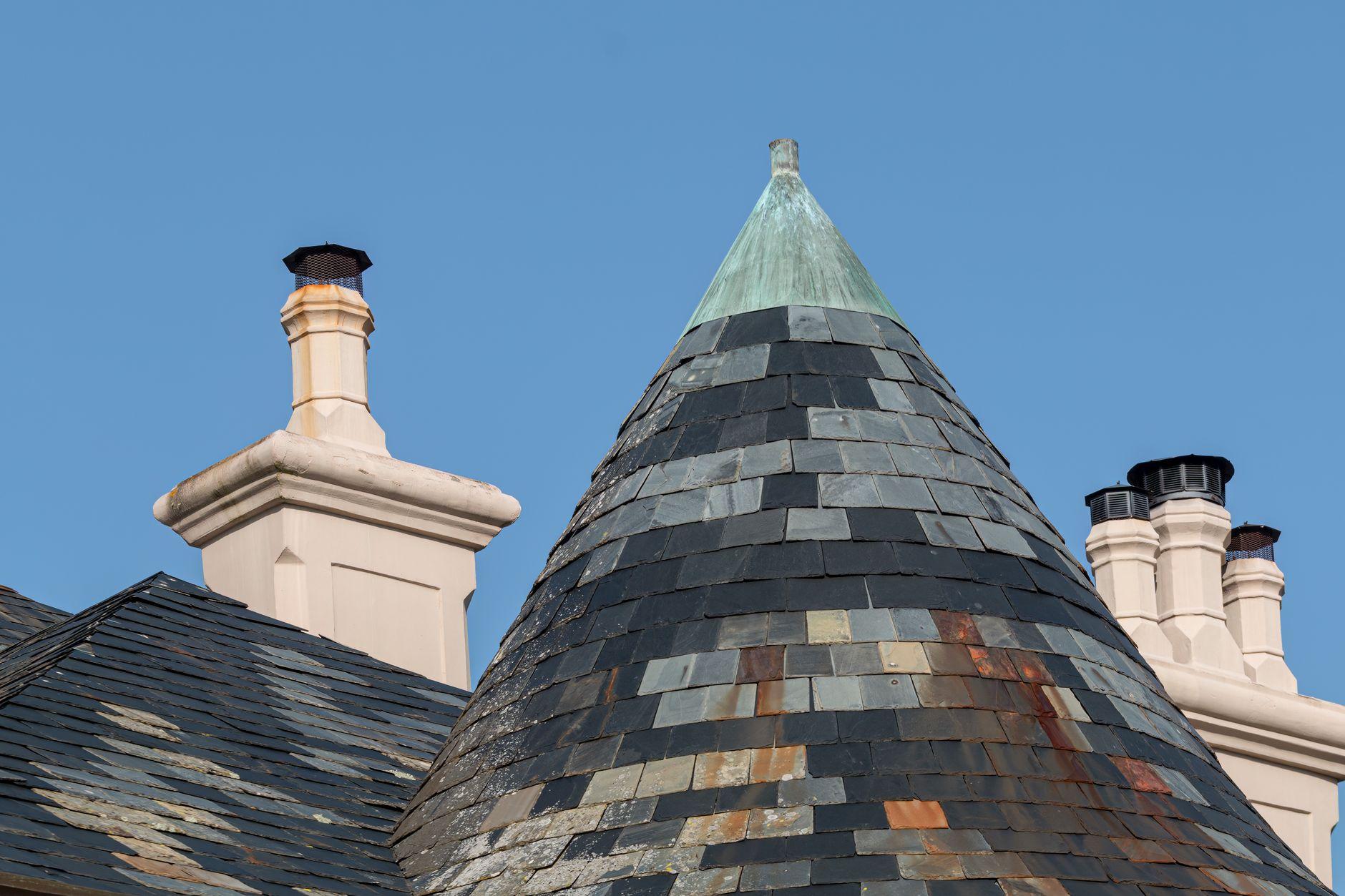
That is why our leak visits always include the top of the chimney as well as the base. If the cap is missing or rusted open, rain and animals are getting in from above too, and a chimney cap, quoted after we measure, belongs on the same work order.
What we need from you for a price
Tell us where the water shows, when it shows and whether you have heard or seen animals near the chimney. Send those details through the quote form, along with whether the roof is tile or shingle and whether the house is one storey or two. That is enough for us to say which of the prices above is likely, and to bring the right materials to the first visit.
On the roof, we trace the water, show you where it is getting in, and give you the figure for the fix before anything is lifted.
Rain season in Orange County
Most of our leak calls come between December and March, when the storms that do arrive tend to come in bunches. A gap that stayed dry all summer starts dripping on the second or third day of rain. Calling in autumn, before the wet months, means the work happens on a dry roof and nobody is putting out buckets.
Related services and reading
Our flashing repair page and leak repair page cover the work in more detail. If animals are already in the attic or the flue, Raccoon in the Flue: Who to Call explains who handles which part.
To get a figure for a leak in Cypress or the towns around it, head to the contact page and tell us where the water shows up and what you have heard.
Want Your Own Chimney Looked At?
Bigelow Chimney Sweep climbs to the cap, looks up from the firebox and photographs whatever got in and the gap it used. We work from Cypress across north Orange County and the towns over the county line.