Three tops that get mixed up
When an owner in Cypress asks us for "a cap", they could mean one of three quite different parts. Ordering the wrong one is how people end up with a lid that rattles, a gap a rat can fit through, or a rust stain on the ceiling a year later. Which one your house needs depends mostly on what the chimney is made of, and you can usually tell that from the yard.
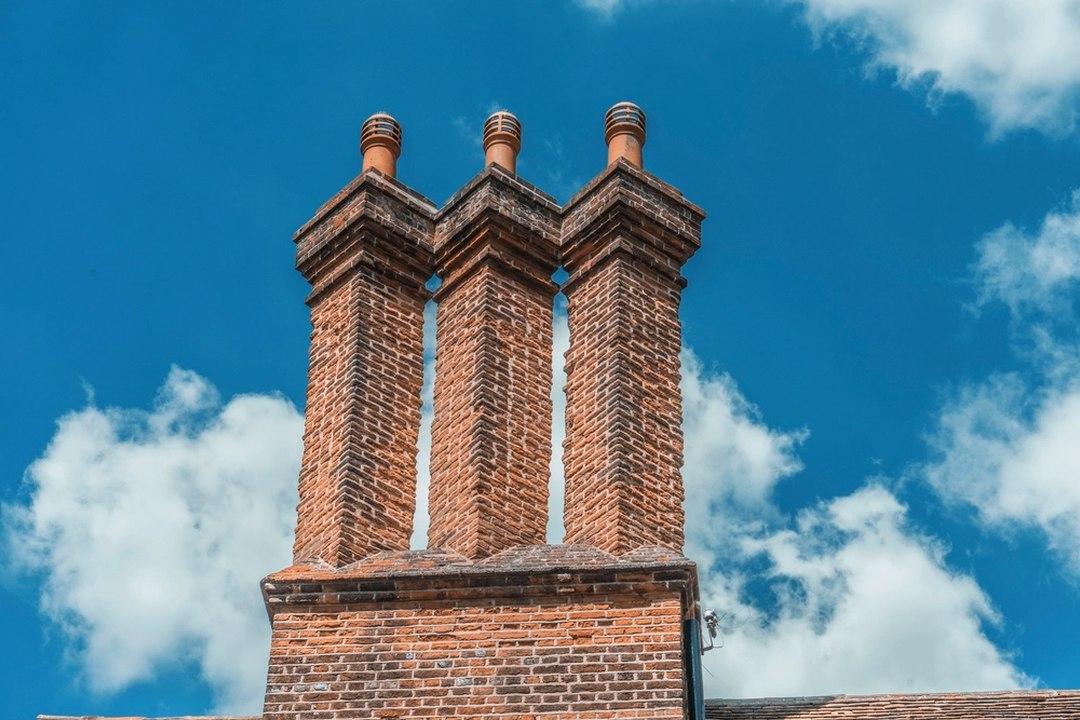
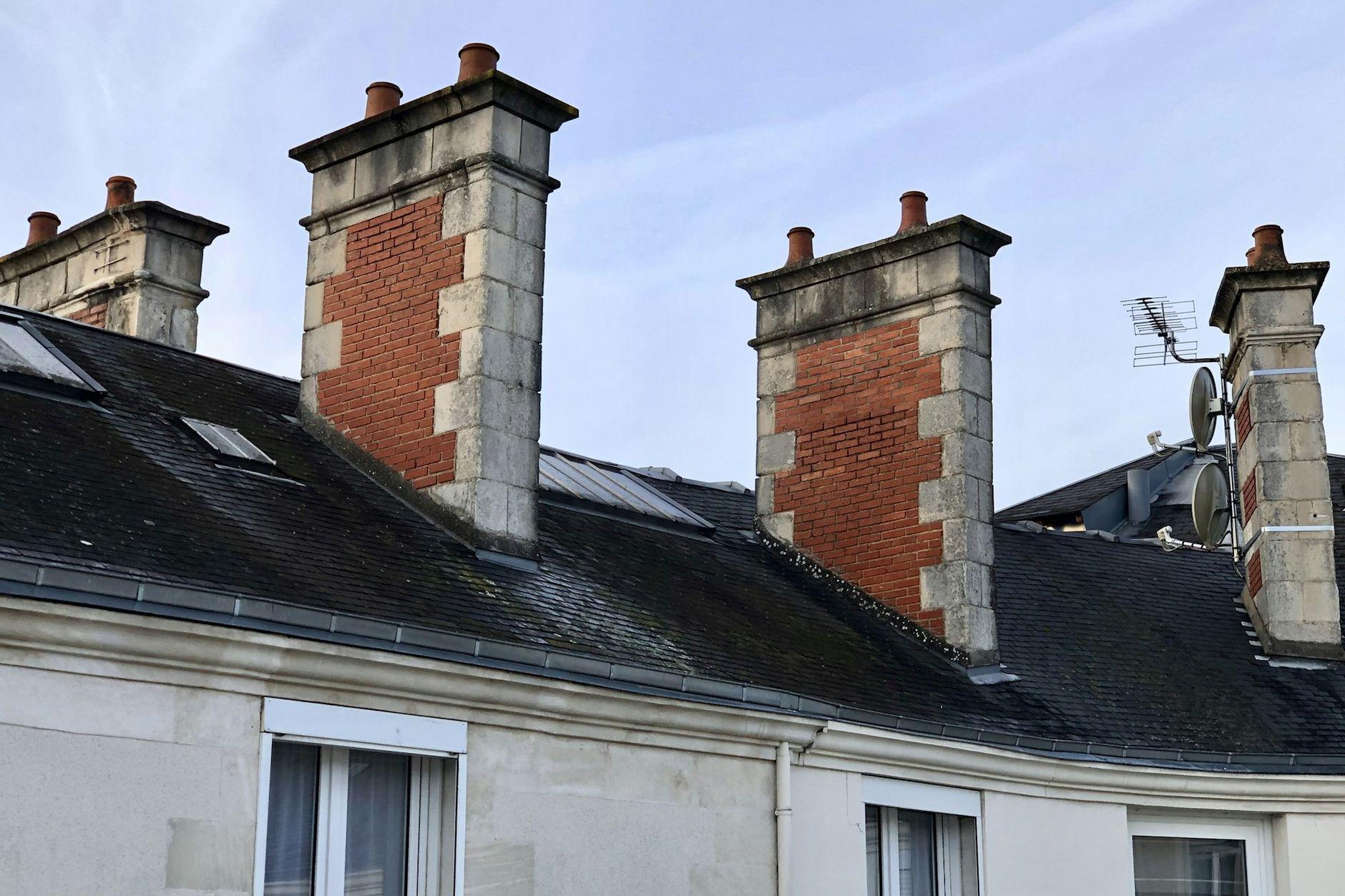
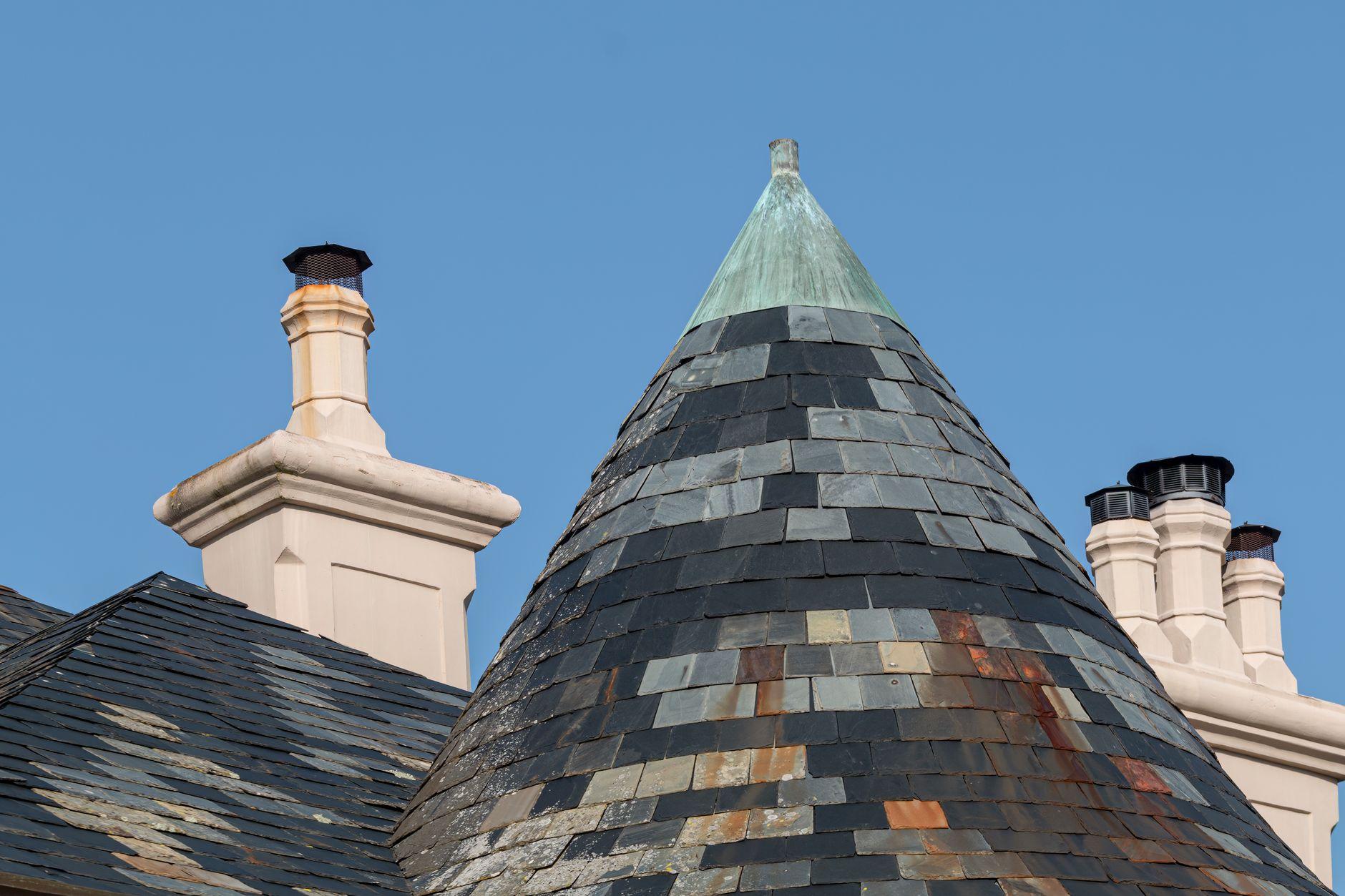
- A brick or block chimney has clay or metal flue tiles sticking up out of a cement top. It takes a cap: a screened hood that clamps onto one tile, or a wider one that covers several.
- A boxed chimney looks like part of the house wall carried up past the roof, finished in the same stucco or siding as the house, with a metal pipe coming out of a flat sheet on top. That sheet is the chase cover, and the pipe has its own top made by the fireplace maker.
- A bare screen, sometimes called a spark arrestor, is mesh with no lid. It stops animals and embers but does nothing about rain.
Plenty of Cypress houses have a brick fireplace in the living room. Newer additions and many homes around Fountain Valley and Garden Grove have factory-built fireplaces in a boxed chase. Both get visitors.
Side by side
| Cap on a brick chimney | Chase cover on a boxed chimney | Screen only | |
|---|---|---|---|
| Keeps animals out | Yes, with mesh on every side | Only with a sound top on the pipe | Yes |
| Keeps rain out of the flue | Yes | Yes, if the sheet sheds water | No |
| Protects what is under it | The crown and flue tile | The wooden framing of the box | Nothing |
| Price on this site | Quoted after we measure | Sized and written up per chimney | Folded into a cap |
The price line matters. Caps are quoted after we measure the flue. Chase covers are made to the size of each box, so those are sized on the roof too, with the figure given before ordering.
How animals get past each one
Brick chimney, no cap. The open tile is the front door. Birds drop in and build on the smoke shelf. Raccoons climb the brick or a nearby tree and lower themselves down. Squirrels drop leaves and acorns until the flue is half full.
Brick chimney, old cap. The mesh rusts at the corners or gets pushed in by a raccoon testing it. A cap held on by worn screws can also tilt in a Santa Ana wind and leave a slot on one side.
Boxed chimney, worn chase cover. This is the sneaky one. Cheap covers were often plain galvanized sheet laid flat. Over the years it rusts, sags in the middle and holds a puddle after every rain. Holes open around the collar where the pipe comes through, and rats and squirrels find them because the box is warm and dry inside. They nest on the insulation around the metal flue, well out of sight of anyone standing at the fireplace.
Screen only. It works against animals until the mesh rots or fills with soot. It never helped with water, so the crown under it has usually been soaking for years.
Signs that point to the chase cover rather than the cap
Owners with a boxed chimney often call about a leak first and the animals second. Watch for:
- Rust streaks running down the stucco or siding below the top of the box
- Water marks on the ceiling or wall beside the fireplace after a storm
- Scratching that moves up and down inside the wall rather than staying at the firebox
- A puddle you can see on top of the box from an upstairs window
- Rust flakes or debris falling onto the firebox floor of a metal fireplace
The fireplace maker designed the pipe and its top together, and we replace that top like for like rather than bolting a masonry-style cap onto it. The chase cover under it is a separate part, and that is the one we make to measure. Our chase cover page covers the work in more depth.
What decides your price
For a cap, the price moves with the number of tiles, the metal, the mesh and the roof. One clay tile on a single-storey roof is the simplest job. A wide top over several flues, made to measure in stainless or copper, costs the most.
For a chase cover, the price comes from the size of the box, the gauge and type of metal, whether the edge has to be bent down and over the sides, and whether the framing under the old cover has rotted from years of standing water. We measure and photograph the top of the box, write the figure down, and you approve it before anything is ordered.
If you are not sure which kind you have, a Level 1 inspection at $165 answers that and everything else visible about the chimney in one visit. If nest material or leaves are already inside, a chimney sweep from $415 comes before any new top.
Once you know which top you are dealing with, use the quote form to tell us whether it is a brick stack or a boxed one, roughly how tall it is, and whether you have seen water, rust or animals. We call back with the likely price and a visit date.
Which one to choose
- Brick chimney, open tiles: a cap. Stainless if you want it to outlast the next few winters.
- Brick chimney, several tiles on one wide top: a single cap made to cover them all.
- Boxed chimney with a rusty or sagging top: a chase cover made to size, plus the maker's top on the pipe if it is missing or damaged.
- Any chimney with something living in it: the animal out first, a sweep second, the top third.
More reading
For what sets a cap price, see What Sets the Price of a Cap in Cypress. If water rather than wildlife is your first worry, Pricing a Flashing Leak in Cypress covers what is going on where the chimney meets the roof.
Once you have an idea which top your chimney carries, the contact page is the way to reach us. A street name in Cypress or the next town over is enough to start.
Want Your Own Chimney Looked At?
Bigelow Chimney Sweep climbs to the cap, looks up from the firebox and photographs whatever got in and the gap it used. We work from Cypress across north Orange County and the towns over the county line.