
Droppings in the grate, a smell after rain, a damper that sticks
Tell Us What You Found
Noise, nesting, debris or a stain: a line about it and a number is plenty. We ring back to set the visit.
Where this job starts and ends
This visit stays at the hearth. We look at the firebox walls and floor, the damper and how well it closes, the smoke shelf behind it, the hearth and the surround, and the clearance to the mantel. Owners often book it after hearing scratching or finding twigs on the grate, so we reach up past the damper with a light and a mirror to see what has collected there.
Clues the fireplace leaves for you
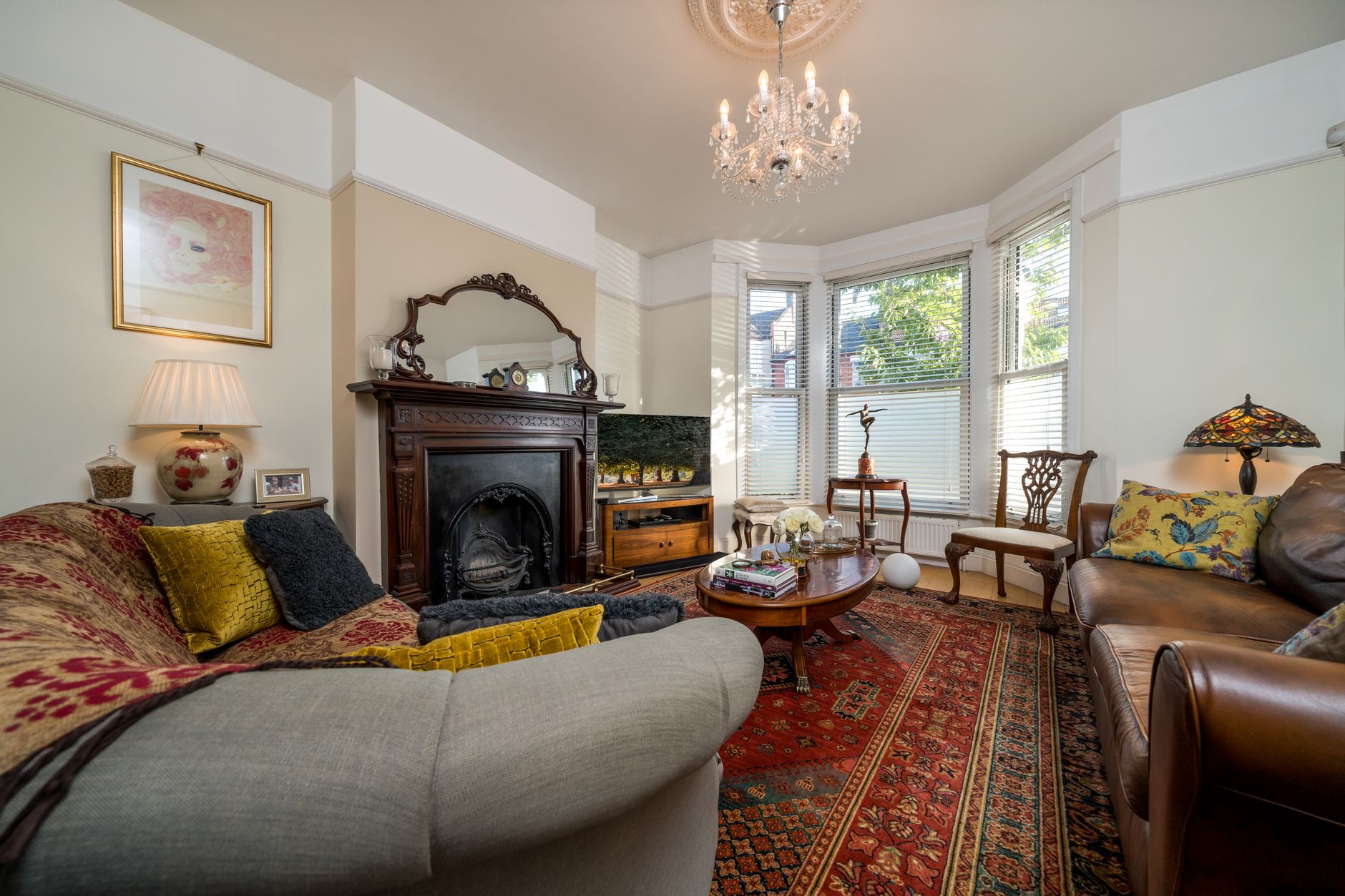
The fireplace is where the chimney talks to the house, and it tends to leave evidence. Small dark droppings in the grate or on the smoke shelf mean rodents have used the flue as a hallway. Straw, feathers or a single egg shell mean birds. A wet, earthy smell on a rainy day means water is soaking something inside. Black streaks up the face of the surround mean smoke has been spilling into the room. A fireplace inspection is a structured way of reading those clues. We kneel at the hearth with a strong light, look at the firebox floor and walls for cracked or loose brick, work the damper handle through its whole swing, and look up past the plate as far as the light allows. We look over the hearth slab, the gap to the mantel and any trim, and the doors and screen. If glass doors are fitted, we check that they close fully, since a closed door is a good barrier when something lives upstairs.
For a lot of owners in Cypress, that is the whole question answered. A damper rusted shut, a firebox brick that has let go, a screen with a gap at the bottom where a rat squeezes through into the living room: each of those is a room side problem with a room side fix. Some answers point upward instead. Droppings that keep returning after cleaning say the top of the chimney is open. Water streaks on the back wall say the crown or cap has failed. In those cases we tell you straight that the cause is out of sight from the hearth, and that a chimney inspection or a sweep is the next sensible step. We do not invent a roof problem to sell a roof visit; if the trouble lives in the firebox, the findings say so. You get those findings as plain notes, in the order they matter, and a written price for anything worth fixing.
Booking a look at the fireplace you have
Fireplaces around Cypress, Garden Grove and Bellflower come in a few common shapes. Older houses have a masonry firebox built of brick, with a cast metal damper above it and a clay flue running up through the house. Newer houses and many condos have a factory built unit: a metal box with refractory panels inside and a metal pipe above, framed into a chase on the outside wall. Gas sets sit inside either kind. Each has its own weak points. Masonry boxes crack and lose mortar at the back wall. Factory built units warp, and their panels break, and the maker's rules about clearances matter more because the box sits close to wood framing. A gas set adds burners, a pilot and a valve. We look at whichever one you have with its own checklist rather than forcing a brick fireplace checklist onto a metal box. That alone clears up a good share of the confusion owners bring to us.
When you get in touch, tell us how many fireplaces the house has, whether each one is wood or gas, and anything odd lately. Mention any noises from the chimney, especially in spring, because a nest with chicks changes how we handle the visit. Clear the hearth of plants, baskets and firewood, and make sure the fire has been out for a day so the firebox is cool. That is all the prep we need. If the fireplace is part of a home sale or a rental, the inspection can be booked with the paperwork in mind; see the money pages for how reports for agents and property managers are laid out. Inspections are useful outside of problems too. Many families book one in late summer simply to know the fireplace is ready, and to find the nest before the first fire does.
The Way Bigelow Chimney Sweep Works
Both Ends Checked
Cap and roof first, then the firebox and damper
Way In Closed
Any gap an animal used is shown to you and priced
Price on Paper
Nothing starts until you have the figure in writing
Photos Kept
Before and after pictures go with your report
Where we do fireplace inspection
Our main towns each have a page for this job, with the houses, trees and weather we meet there. Search the list for yours.
CA
Fireplace Inspection in Cypress
Hear wings flapping behind the screen doors of your fireplace? With 76% of Cypress homes older than 1980, many flues have stood open for decades, and an unscreened top lets birds and rats nest inside, so the cap is the first thing we look at.
Read the town pageCA
Fireplace Inspection in Garden Grove
On a one-story ranch roof the chimney top sits within easy reach of squirrels and rats coming off fences and trees. Hear scratching above the damper? We pull out whatever moved in, sweep the flue and fit a screened cap.
Read the town pageCA
Fireplace Inspection in Bellflower
In the 1940s and 1950s, tract homes swallowed the old dairies and fields fast, and 15% of homes went up before 1950. An unscreened brick flue that age gives sparrows and rats an easy way in; we sweep out what they leave and cap the top.
Read the town pageCA
Fireplace Inspection in Fountain Valley
With 82% of homes built before 1980 and very few before 1950, chimneys here are tract brick, block or factory-built metal. Thin metal chase tops rust through over the years, and the hole is just the right size for a starling or a rat.
Read the town pageMore jobs we take on
Chimney Sweep
Soot, creosote and whatever the birds dropped in, brushed and vacuumed out so the flue is clear to the cap.
See the details →Chimney Inspection
A Level 1 look at the firebox, damper, flue ends, crown and cap, with an eye for gaps where animals get in.
See the details →Chimney Repair
Loose caps, broken screens, cracked tiles and open joints repaired, starting with the gap that is letting things in.
See the details →Fireplace Repair
Cracked firebox brick, a damper that will not seal and worn hearths repaired, so nothing comes down into the room.
See the details →Chimney Level 2 Inspection
A recorded camera run of the whole flue plus attic and roof checks, for sales, chimney fires, quakes and hidden nests; $390.
See the details →Chimney Cap Installation
Stainless caps with a screen on all sides, fitted to the flue, to stop birds, raccoons and rats getting in;, quoted on site. Cap size, metal and flue count shape the price.
See the details →Chimney Flashing Repair
Rusted, lifted or tar-patched metal at the roof line replaced, so rain and small animals stop getting under it.
See the details →Chimney Masonry Repair
Crumbling joints, spalled brick and loose courses repaired, closing the holes that rats and wasps move into.
See the details →Chimney Rebuilds
A chimney too loose or cracked to patch taken down and laid again, with a new crown and a capped flue on top.
See the details →Fireplace Cleaning
Ash, soot, droppings and leaf litter cleared from the firebox, grate and doors, so the room smells like a room again.
See the details →Gas Fireplace Cleaning
Burner ports, pilot, logs and glass cleaned on a gas unit, plus a look at the vent cap for nests and lint.
See the details →Gas Fireplace Repair
A pilot that drops out, an igniter that stays silent or a burner that quits, traced to the failed part and fixed.
See the details →Fireplace Remodel
New faces, mantels and hearths for an old fireplace, with the damper and cap sorted first so the new look stays clean.
See the details →Fireplace Inserts
A sealed insert with a lined flue and a capped top, so the old open fireplace stops leaking heat and letting things in.
See the details →Pellet Stove Repair
A pellet stove that jams, quits or puffs smoke, traced to the vent, fan, igniter or feed and put back to work.
See the details →Wood Stove Repair
Door gaskets, baffles, firebrick and air controls renewed on wood stoves, with the stovepipe and cap checked for blockage.
See the details →Gas Logs
Gas log sets fitted in a working wood fireplace, after the flue is cleared and capped so nothing blocks the exhaust.
See the details →Chimney Seismic Retrofit
Steel bracing, strapping or a lighter rebuilt top on a brick chimney, so a strong quake is less likely to bring it down.
See the details →Chimney Crown Repair
Cracked or crumbling crowns sealed or poured again, so rain and roof rats stop finding a way into the brick.
See the details →Dryer Vent Cleaning
Lint packs and bird nests cleared from the dryer duct and the outside hood, so the dryer runs cooler and faster.
See the details →Chimney Liner Installation
A stainless liner run up a cracked or bare flue, joined at the bottom and capped up top against rain and animals.
See the details →Chimney Leak Repair
Water stains near the fireplace traced to the crown, cap, roof seal or brick, and the leak fixed at its source.
See the details →Chimney Waterproofing
A breathable water repellent on repaired brick, once the joints, crown and roof metal are fixed, so rain stops soaking in.
See the details →Chimney Damper Repair
A damper that sticks, rattles or no longer seals repaired or replaced, so the room stays shut off from the flue.
See the details →Chimney Chase Cover
A rusted or dished metal top on a framed chimney replaced with a cover made to measure, with a collar and screened cap.
See the details →