
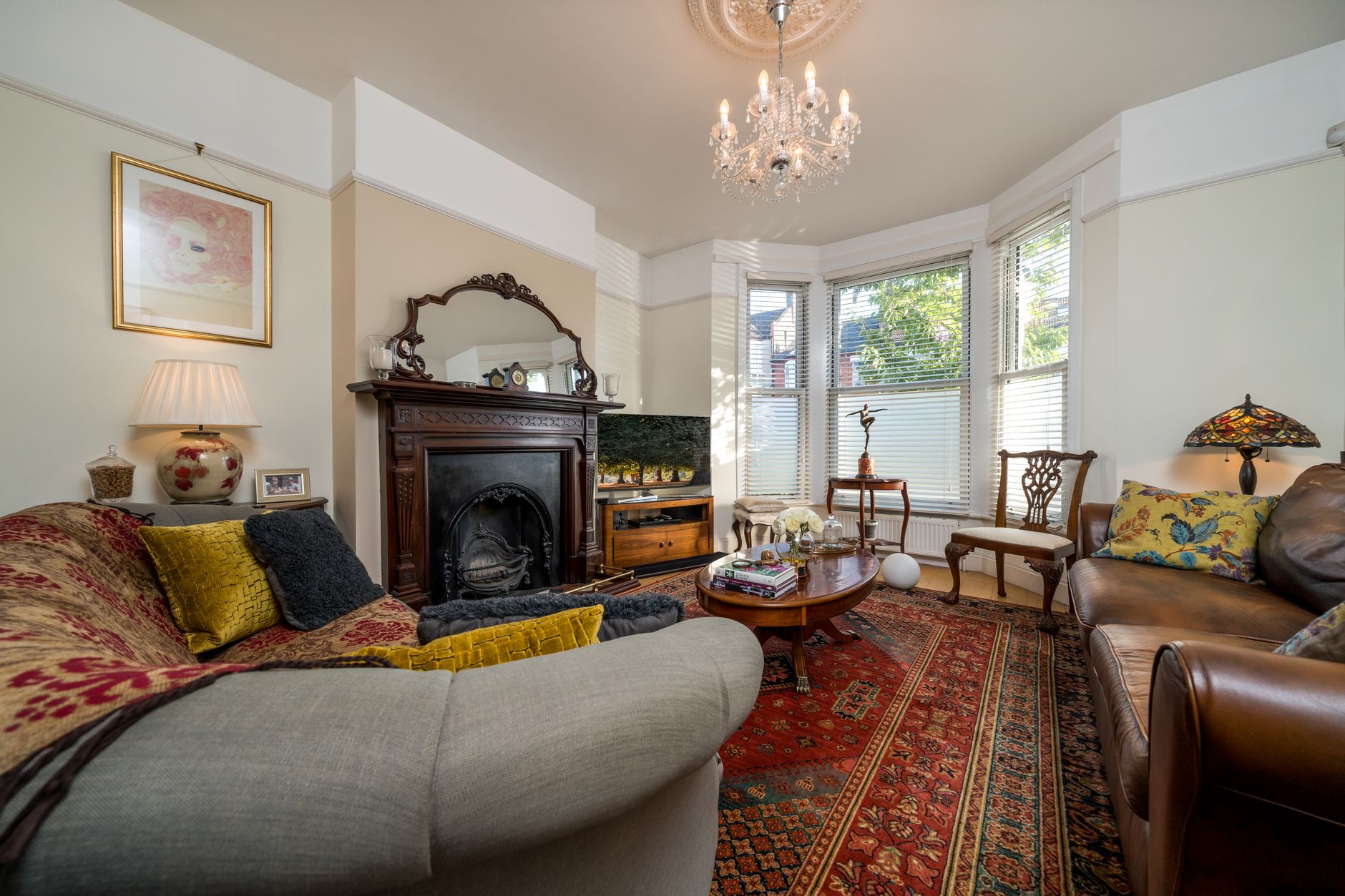
Gas logs only work if nothing is nesting in the flue above them
Tell Us What You Found
Noise, nesting, debris or a stain: a line about it and a number is plenty. We ring back to set the visit.
Where this job starts and ends
Gas logs suit people who want a fire on a switch and are tired of hauling wood. A vented set sends its exhaust up the same flue, so we sweep it, clear any nesting and fit a screened cap before the logs go in. We choose the burner for your firebox, run the gas line and valve, and set the damper so it cannot close all the way. Then we light it and take a CO reading.
Why a flue matters more with gas than people think
Gas logs appeal for good reasons: no wood to buy, no ash to haul, and a fire that works on the winter days when South Coast AQMD bans wood burning. A vented set gives a tall, lively flame on ceramic logs inside your existing fireplace. What surprises people is that it still depends on the chimney. The burner makes carbon monoxide and water vapor, and both must rise out through the flue. That is why the damper on a vented set is fixed partly open with a clamp: closing it fully would trap the exhaust in the room. It is also why our angle matters here. A wood fire tends to tell you when the flue is blocked, with smoke rolling out. A gas flame gives off little smoke, so a starling nest or a fall of leaves on the shelf can push exhaust into the room without much warning. Before we fit a set in Cypress, we clear the flue, check it, and cap the top.
The fireplace itself also has to suit gas. We look at the firebox for cracks, check the damper so the clamp holds it at the right opening, and look for an existing gas line. Many older homes in Garden Grove and Bellflower have a log lighter pipe at the side of the firebox, which is often undersized for a modern burner and has no shutoff anyone can reach. We extend or replace it, add a shutoff where the code wants it, and pressure test the line. Then there is the choice of set. Logs come in many styles, from rough split oak to smooth river stones, and burners come with match lit, standing pilot or remote ignition. We talk through those options and how each is used, and the set is chosen for your firebox rather than from a picture. Vent free sets exist too; we explain their limits and why we usually recommend vented sets in homes like yours.
Fitting, testing and the price
A set that is too large for the firebox licks the back wall and the damper with flame and leaves black marks. One that is too small looks lost and heats little. We measure the opening and the box, and check the flue size against the burner rating so the chimney can carry the exhaust. Each log has a set position on the burner, and the maker supplies a diagram for it; we set them that way and show you how the layout should look so a cleaning or a curious child does not leave a log in the flame. At the end the burner is lit, the flame is watched as it settles, and the air near the opening and across the room is checked for carbon monoxide. The damper clamp is checked once more. If any reading is off, the fire stays off until it is fixed. Every new set comes with a short note on care: the screen in place, the logs undisturbed, and a yearly look at the flue.
The total rests on two things, the logs and burner you settle on and the gas work behind them, and it goes on paper as soon as both are fixed. Clearing the flue and fitting a cap, if the chimney needs them, appear as their own lines, and the cap is quoted on site. When you contact us, tell us whether the fireplace burns wood now, whether there is already a gas valve or key near the hearth, and roughly how often you plan to use the fire. If there is a nest or noise in the flue now, mention it, since that will be dealt with before any set goes in. Should a gas odor ever reach you by the hearth, light nothing; head outdoors with the household and ring the utility from there. Homes in Cypress and Fountain Valley often book gas logs in late summer so the first chilly evening has a fire ready.
The Way Bigelow Chimney Sweep Works
Both Ends Checked
Cap and roof first, then the firebox and damper
Way In Closed
Any gap an animal used is shown to you and priced
Price on Paper
Nothing starts until you have the figure in writing
Photos Kept
Before and after pictures go with your report
Where we do gas logs
Our main towns each have a page for this job, with the houses, trees and weather we meet there. Search the list for yours.
CA
Gas Logs in Cypress
Hear wings flapping behind the screen doors of your fireplace? With 76% of Cypress homes older than 1980, many flues have stood open for decades, and an unscreened top lets birds and rats nest inside, so the cap is the first thing we look at.
Read the town pageCA
Gas Logs in Garden Grove
On a one-story ranch roof the chimney top sits within easy reach of squirrels and rats coming off fences and trees. Hear scratching above the damper? We pull out whatever moved in, sweep the flue and fit a screened cap.
Read the town pageCA
Gas Logs in Bellflower
In the 1940s and 1950s, tract homes swallowed the old dairies and fields fast, and 15% of homes went up before 1950. An unscreened brick flue that age gives sparrows and rats an easy way in; we sweep out what they leave and cap the top.
Read the town pageCA
Gas Logs in Fountain Valley
With 82% of homes built before 1980 and very few before 1950, chimneys here are tract brick, block or factory-built metal. Thin metal chase tops rust through over the years, and the hole is just the right size for a starling or a rat.
Read the town pageMore jobs we take on
Chimney Sweep
Soot, creosote and whatever the birds dropped in, brushed and vacuumed out so the flue is clear to the cap.
See the details →Chimney Inspection
A Level 1 look at the firebox, damper, flue ends, crown and cap, with an eye for gaps where animals get in.
See the details →Chimney Repair
Loose caps, broken screens, cracked tiles and open joints repaired, starting with the gap that is letting things in.
See the details →Fireplace Inspection
Room side check of the firebox, damper, hearth and surround, with a check for droppings and debris on the smoke shelf.
See the details →Fireplace Repair
Cracked firebox brick, a damper that will not seal and worn hearths repaired, so nothing comes down into the room.
See the details →Chimney Level 2 Inspection
A recorded camera run of the whole flue plus attic and roof checks, for sales, chimney fires, quakes and hidden nests; $390.
See the details →Chimney Cap Installation
Stainless caps with a screen on all sides, fitted to the flue, to stop birds, raccoons and rats getting in;, quoted on site. Cap size, metal and flue count shape the price.
See the details →Chimney Flashing Repair
Rusted, lifted or tar-patched metal at the roof line replaced, so rain and small animals stop getting under it.
See the details →Chimney Masonry Repair
Crumbling joints, spalled brick and loose courses repaired, closing the holes that rats and wasps move into.
See the details →Chimney Rebuilds
A chimney too loose or cracked to patch taken down and laid again, with a new crown and a capped flue on top.
See the details →Fireplace Cleaning
Ash, soot, droppings and leaf litter cleared from the firebox, grate and doors, so the room smells like a room again.
See the details →Gas Fireplace Cleaning
Burner ports, pilot, logs and glass cleaned on a gas unit, plus a look at the vent cap for nests and lint.
See the details →Gas Fireplace Repair
A pilot that drops out, an igniter that stays silent or a burner that quits, traced to the failed part and fixed.
See the details →Fireplace Remodel
New faces, mantels and hearths for an old fireplace, with the damper and cap sorted first so the new look stays clean.
See the details →Fireplace Inserts
A sealed insert with a lined flue and a capped top, so the old open fireplace stops leaking heat and letting things in.
See the details →Pellet Stove Repair
A pellet stove that jams, quits or puffs smoke, traced to the vent, fan, igniter or feed and put back to work.
See the details →Wood Stove Repair
Door gaskets, baffles, firebrick and air controls renewed on wood stoves, with the stovepipe and cap checked for blockage.
See the details →Chimney Seismic Retrofit
Steel bracing, strapping or a lighter rebuilt top on a brick chimney, so a strong quake is less likely to bring it down.
See the details →Chimney Crown Repair
Cracked or crumbling crowns sealed or poured again, so rain and roof rats stop finding a way into the brick.
See the details →Dryer Vent Cleaning
Lint packs and bird nests cleared from the dryer duct and the outside hood, so the dryer runs cooler and faster.
See the details →Chimney Liner Installation
A stainless liner run up a cracked or bare flue, joined at the bottom and capped up top against rain and animals.
See the details →Chimney Leak Repair
Water stains near the fireplace traced to the crown, cap, roof seal or brick, and the leak fixed at its source.
See the details →Chimney Waterproofing
A breathable water repellent on repaired brick, once the joints, crown and roof metal are fixed, so rain stops soaking in.
See the details →Chimney Damper Repair
A damper that sticks, rattles or no longer seals repaired or replaced, so the room stays shut off from the flue.
See the details →Chimney Chase Cover
A rusted or dished metal top on a framed chimney replaced with a cover made to measure, with a collar and screened cap.
See the details →