Most cap calls start with a noise
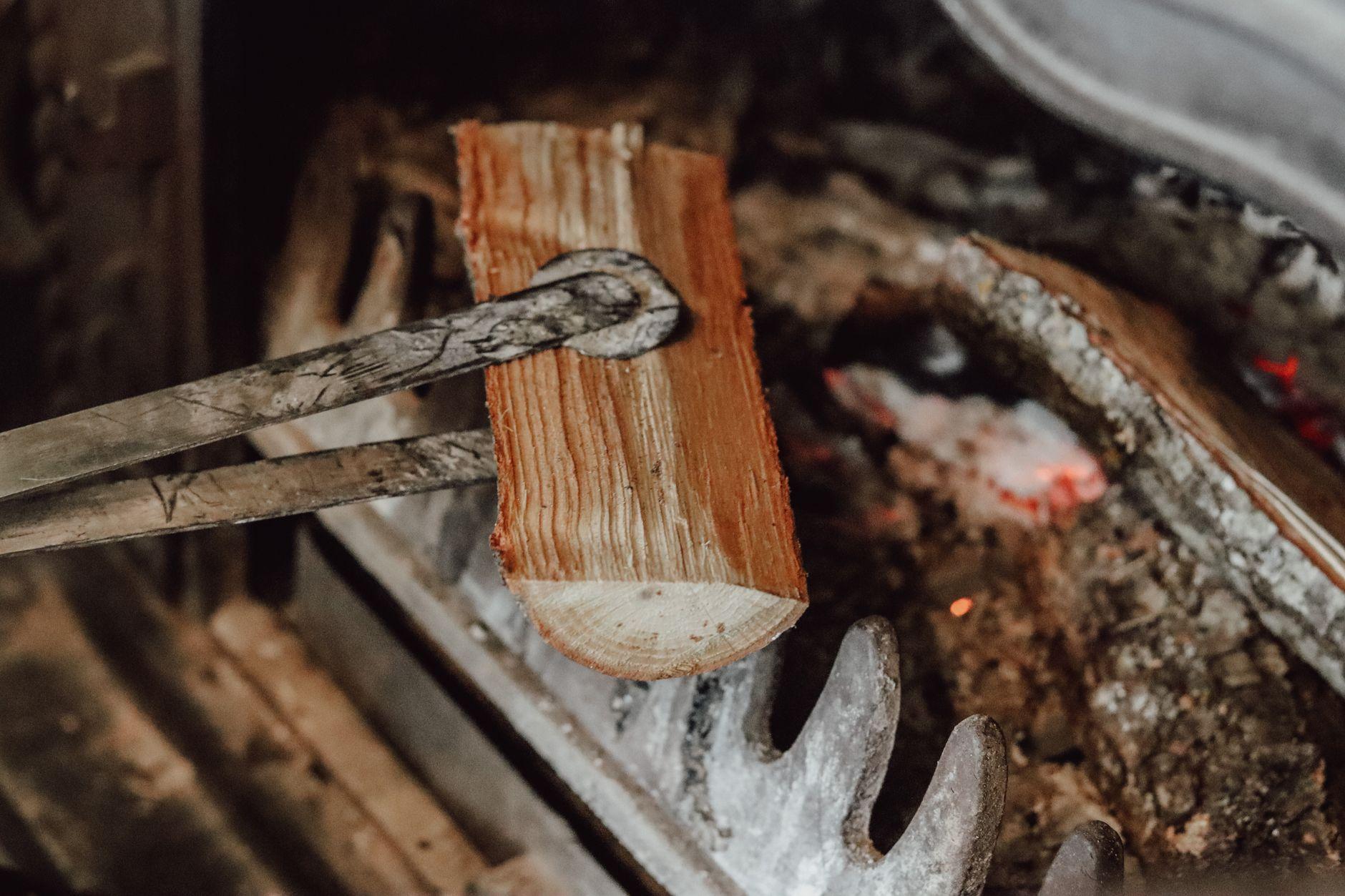
Very few people phone us about a cap because they looked up and saw one missing. They phone because something woke them. Scratching behind the fireplace wall around dusk. A thin chirping that seems to come from inside the brick. A dry rustle on windy nights and, the next morning, a twig and a tuft of fluff sitting on the grate. An open flue is a warm, dry tube with no door on top, and to a starling, a squirrel or a raccoon it reads as a free apartment. A cap is the door.
Bigelow Chimney Sweep fits caps on houses across Cypress, Garden Grove, Fountain Valley and Bellflower. Every cap we fit is quoted after we measure. Caps differ because chimneys differ. The rest of this page explains what sets the price on your roof, and what has to happen first if an animal has already moved in.
What sets the cap price
| What is on top of your chimney | Effect on the price |
|---|---|
| One flue tile, low single-storey roof | Simplest job |
| One flue tile, two storeys or a steep tile roof | Costs a little more |
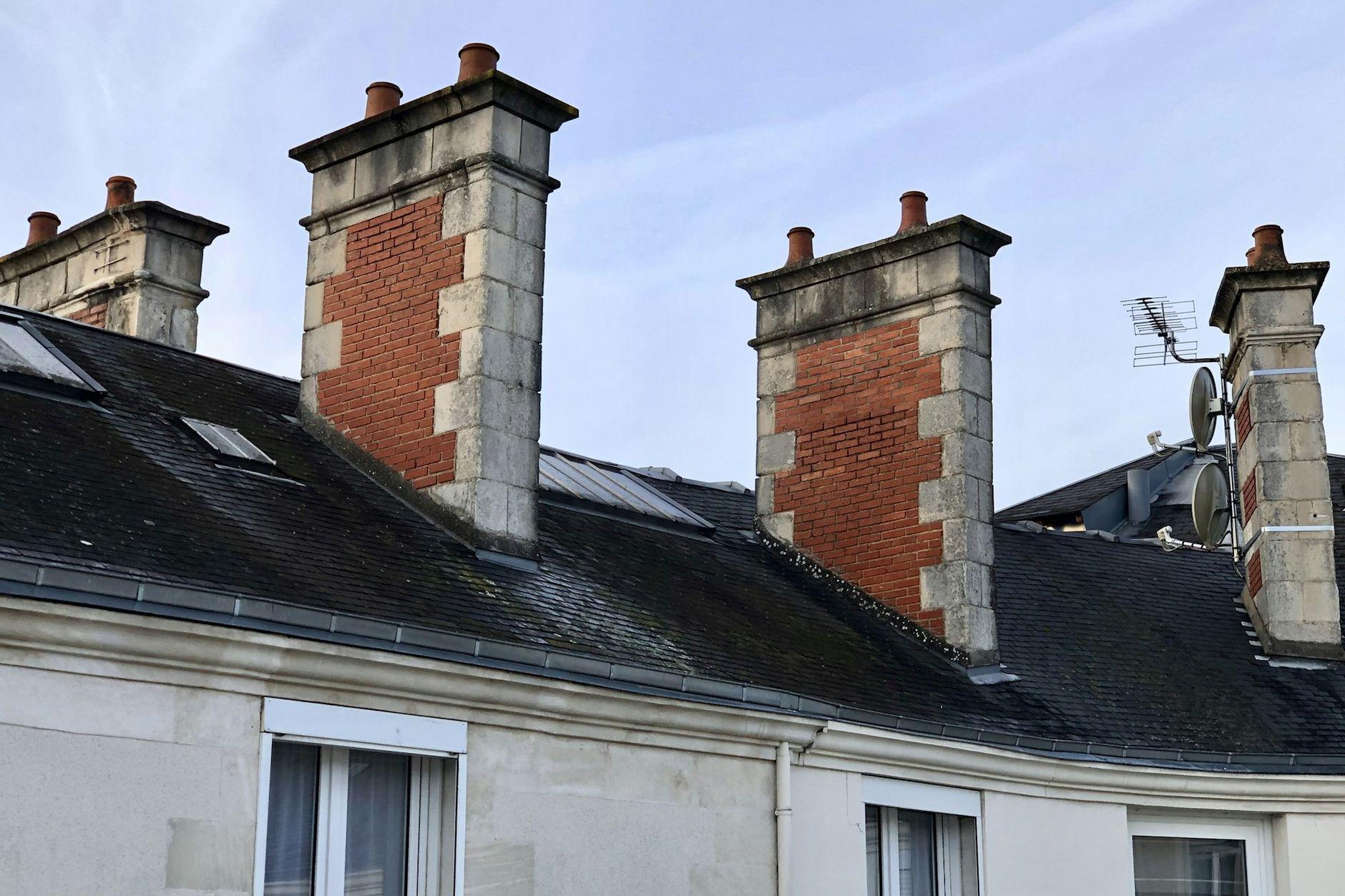
| Two or three tiles coming up through one crown | Costs more |
| A wide top with several flues that needs a cap made to measure | Costs the most |
Four things set your cap price:
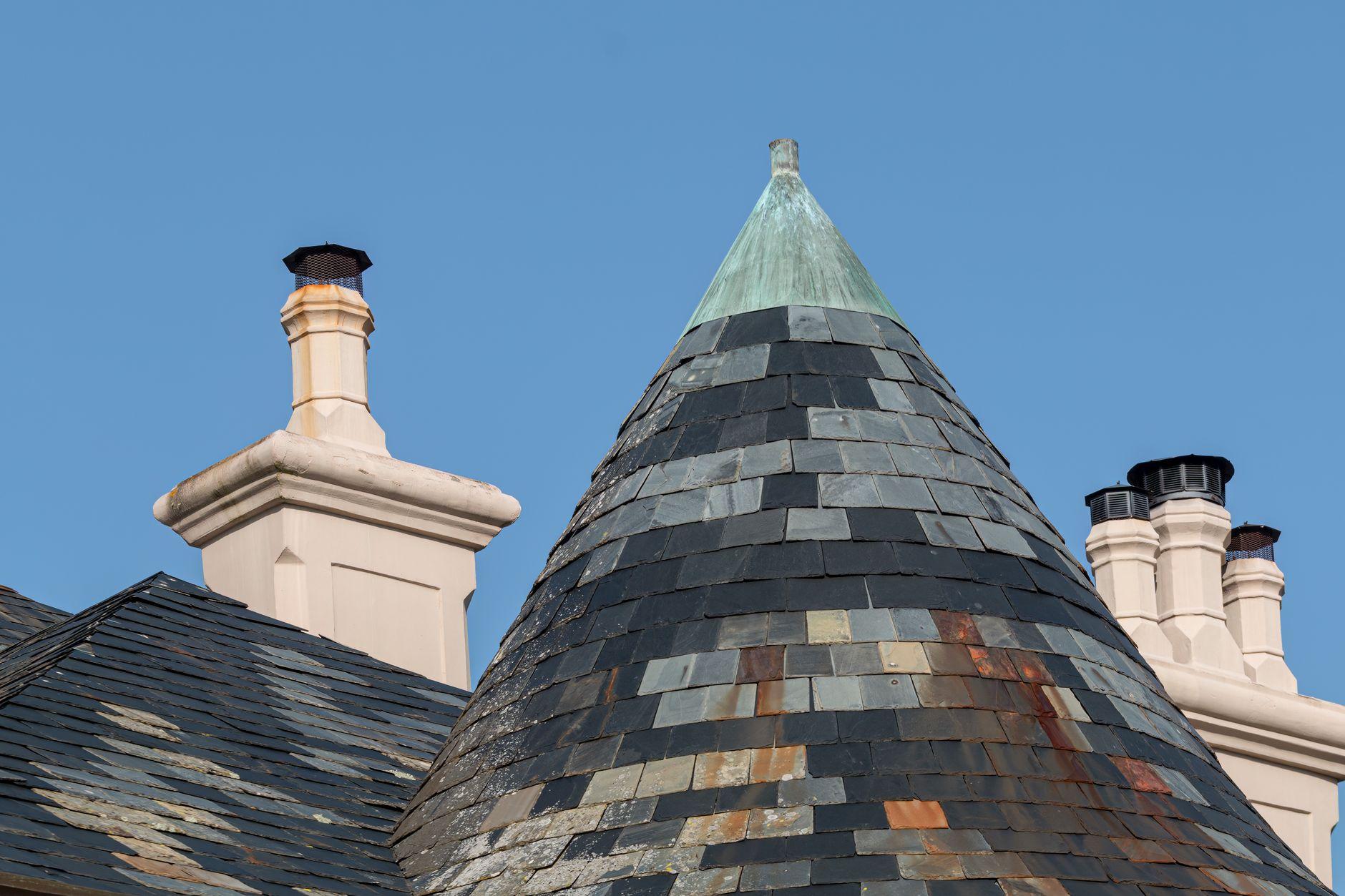
- Tile count. A single round or square tile takes a cap that clamps straight onto it. Two or more tiles usually mean one wide cap that covers the whole top, and those are cut and bent to the size of your chimney.
- Metal. Galvanized steel costs least and is the first to rust. Stainless costs more and lasts far longer in our air. Copper is mostly a looks decision and costs the most.
- Mesh. Every cap we fit has screen on all sides. The opening size is chosen for what you burn: wood smoke clogs a tight weave, while a loose one lets mice and bats squeeze past. Gas fireplaces get a different choice than wood ones.
- Reach. A low ranch roof in a Cypress tract is quick to set up on. A second-storey stack over brittle concrete tile takes longer, and more care to walk.
One thing the cap quote does not cover is the base the cap sits on. If the crown is split or a flue tile is broken off at the top, a new cap has nothing solid to grip. There is no list price for that work on this site; we measure it, write the figure down, and you choose whether to fix it with the cap or on its own later.
If something is living in there right now
A cap belongs on an empty flue. When we find an occupant, the order of work changes, and it is worth knowing before you book:
1. The animal leaves first. We do not trap or handle wildlife. A raccoon with young on the smoke shelf, which we see most in spring, will often move them herself once the fireplace gets noisy and bright. If she does not, a wildlife handler is the right call, and we come back after. 2. Nesting birds wait. Most native birds are protected while they nest, so a nest with eggs or chicks in it stays put until the young have flown. Then it comes out. 3. The flue gets swept. Old nests, droppings and leaves are both fuel and smell. A chimney sweep runs from $415 and pulls all of it down, with the damper checked on the way. 4. Then the cap goes on, often the same visit once the flue is clear.
We will not fit a cap over a nest or a den. It seals the smell in with the fuel and, now and then, an animal with it.
Galvanized, stainless or copper this close to the coast
Cypress is not a beach town, but the sea air reaches it most afternoons, and steel notices. The thin galvanized caps we take off around here are usually streaked orange at the corners and soft where the mesh meets the frame. Once that mesh rusts through, a squirrel can push its way in and the cap becomes a nice roof over its new home.
For that reason we steer most owners toward stainless. The price gap between the two is small next to the cost of a second visit a few winters later. Copper suits owners who want the top of the chimney to look finished from the street; it weathers to brown and then green and does not rust.
Santa Ana winds are the other test. A cap held on by a couple of loose screws can tilt or lift in a hard gust, which opens a gap on the windward side. We fasten caps so that a gust cannot move them, and we check the fixings on any cap we find already in place.
Telling us enough to plan the visit
The cleaner the picture you give us, the better we can plan the visit. Fill in the quote form with three things: how many tiles or pipes you can count at the top of the chimney, whether the house is one storey or two, and what you have been hearing or finding in the fireplace. If an animal is inside right now, say so plainly. It changes what we bring and what order we work in.
We reply and set a visit. On the roof we measure, show you the mesh and the metal, and give you the final number before anything is fitted.
Signs an existing cap has stopped doing its job
Many Cypress houses already have a cap, just not a working one. These are the clues we hear about most:
- Feathers, twigs or dry leaves turning up in the firebox
- A rust trail running down the brick under the top of the chimney
- Mesh bent inward or torn at one corner, often by a raccoon testing it
- A cap that looks crooked from the yard after a windy week
- Droppings or a musty smell when the damper is opened
Any one of these is reason enough to have the top looked at before the cold months, when fireplaces get lit and animals look hardest for shelter.
Read next
Not sure whether you need a cap, a wider top or a cover for a prefab chimney? Cap, Screen or Chase Cover? sets the three side by side. If a raccoon is already in residence, Raccoon in the Flue: Who to Call covers who does which part of the job.
Whenever you want the top of your chimney closed for good, the contact page gets a request to us. Mention the street in Cypress and what has been keeping you up at night.
Want Your Own Chimney Looked At?
Bigelow Chimney Sweep climbs to the cap, looks up from the firebox and photographs whatever got in and the gap it used. We work from Cypress across north Orange County and the towns over the county line.